

Brisbane 2032 Olympics and a $174 Billion Pipeline: Can Your Programme Secure the Capacity to Build?
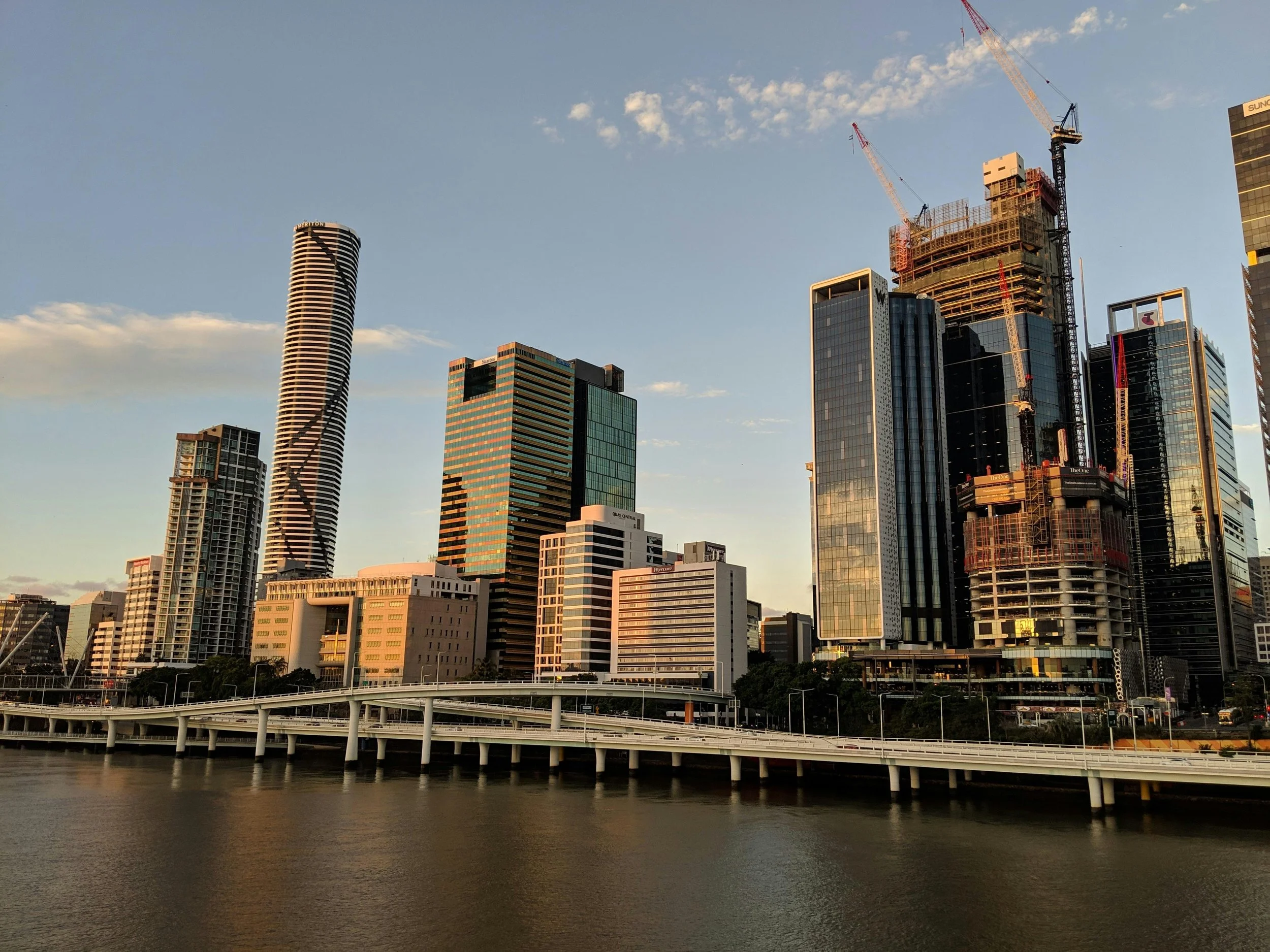
A date is only credible if the market can supply it.
With the Brisbane 2032 Olympics deadlines fixed, Queensland's major projects pipeline has reached $174 billion across 617 projects of $50 million or more, according to the new Queensland Construction Portal launched by the Brisbane Economic Development Agency, the Property Council of Australia and the Better Brisbane Alliance. The portal estimates major project construction activity rose from $33.64 billion in 2024-25 to $38.31 billion in 2025-26.
A pipeline that size gives project owners better visibility of what is coming. It also means that when and how a project goes to market can now matter as much as the project itself. The place to test that is the programme.
Why timing matters now
Tender prices are rising, but the average conceals the exposure of individual projects
RLB's September 2026 forecast puts Brisbane tender price escalation at 5% in 2026 and 7% a year from 2027 to 2029. Altus Group's Brisbane construction cost outlook is higher, at 9% in 2026 and 8% in 2027, and WT has forecast Brisbane building cost growth reaching 10% in its outlook to 2028. While these are different measures, they paint a compelling picture. The practical question is which packages will meet a competitive market, and which will go to tender when labour, specialist subcontractors and plant are already committed. RLB's September 2026 report suggests an approximately six-month opportunity for ready-to-start Brisbane projects to tender into a more competitive market, closing Q1 2027. Our view: price the procurement window and the tier of construction capability the package requires, not just the city average. A major package dependent on Tier 1 contractors that misses its procurement window is likely to face higher pricing, later availability, or both. The programme is where these consequences should be tested before the decision window closes.
Labour is short
Construction Skills Queensland forecasts an average shortfall of 19,100 construction workers across the seven years from 2025-26 to 2031-32.
Materials and skills demand is concentrated
For 2026-27 alone, the portal forecasts major project demand for 3 million cubic metres of concrete, 256,000 tonnes of reinforcement steel and 463,000 tonnes of structural steel. Crane, hoist and lift operators, concreters and engineers are among the occupations in strongest demand relative to the available workforce.
One deadline cannot move
The Queensland Audit Office reports that, with fixed deadlines for the Brisbane 2032 Olympics, projects will compete for limited skilled labourers, contractors and suppliers. Projects needing the same capacity may face that competition.
In over 26 years of scheduling major projects, I have rarely seen timing carry the price it now does in Queensland.
What a month of delay now costs
When tender prices are rising, a delay is no longer just a later finish. It can change the price of work still to be procured, and the cost of delivering work exposed to price movements under the contract.
Escalation on work still to be let. A later tender can expose uncontracted work to changed market prices. Test that exposure against the packages, tender dates and pricing assumptions.
Time-related costs. Site supervision, facilities and other preliminaries can continue during a delay.
Finance and holding costs. For owners and developers, interest and holding costs accrue on capital committed to a project that is not yet earning.
Lost capacity. Miss a procurement window and your preferred contractor is committed elsewhere. In this market you do not lose a month, you lose your place in the queue.
A resource-loaded programme tests whether the sequence can be supplied. Linked to the estimate, procurement plan and commercial assumptions, it can also show the cost exposure of a timing change.
Five programme tests for a constrained market
1. Capacity-test the baseline
Resource-load the programme and compare peak demand for the proposed window with contractor and supplier commitments, lead times and capacity assumptions checked with the delivery team. A programme that needs more than the available contractors and suppliers can commit will not hold, however good the logic.
2. Price the cost of time
Link the programme to the estimate and the procurement plan so a timing change is connected to cost exposure: the work still to be procured, the time-related costs and the holding costs. When a delay has a dollar figure, the mitigation decisions can be made on evidence rather than optimism.
3. Make procurement windows programme activities
Show contractor engagement, long-lead items and subcontractor booking as activities with float, tied to the approval and funding gates that release them, not as assumed start dates in a tender programme. This shows when capacity commitments must be secured. If early contractor engagement is part of the strategy, then design development, pricing and decision gates belong in the same programme.
4. Quantify the risk
Use schedule risk analysis to show completion dates at chosen confidence levels, then price the exposure between them using the project's procurement, time-related and financing assumptions.
5. Model the alternatives before you need them
Scenario programmes for staging, methodology changes or a later start on key packages, each with its cost exposure, turn a change of course into a decision rather than a manufactured crisis.
The lesson from the Sydney 2000 Olympics
Planning for the Sydney 2000 Olympics illustrates the discipline of a fixed date. In PMI's account of the Sydney Games, organisers set target dates well ahead of September 2000 and used test events as critical milestones to prove readiness.
Brisbane, preparing for the Brisbane 2032 Olympics, now faces the market pressures described above. The discipline that matters is the same: fixed targets set early, milestones that prove progress, and a programme that shows slippage the day it starts, not the month after.
What this means for your next project
In Queensland's current market, the programme is no longer just a delivery tool. It is how you test when to go to market, how much schedule contingency to carry and the financial exposure of a timing change before it happens.
Project Scheduling builds and reviews programmes for construction projects in Brisbane and across Queensland, covering infrastructure, mining and heavy industrial work, from tender and early contractor engagement through to schedule risk analysis.
Frequently asked questions
How does programme delay affect project cost in a constrained market?
Delay can add cost through tender price movement on work still to be procured, time-related preliminaries that continue during the delay, finance and holding costs, and the risk of losing contractor capacity. Published tender price and construction cost forecasts for Brisbane differ, so the bigger exposure is a package that misses its procurement window and goes to market when capacity is already committed.
How do you test whether a project's timing is realistic?
Resource-load the programme and compare its peak demand with contractor and supplier commitments, lead times and capacity assumptions checked with the delivery team. A schedule risk analysis then shows completion dates at chosen confidence levels.
What should an early contractor engagement programme include?
The design development, pricing, buildability and approval activities in the engagement stage, the decision gates that convert it into a delivery contract, and the links to planning and funding milestones.
Will the Brisbane 2032 Olympics affect other Queensland projects?
They may. The Queensland Audit Office reports that projects with fixed Brisbane 2032 Olympics deadlines will compete for limited skilled labourers, contractors and suppliers, and projects needing the same capacity may face that competition.
