

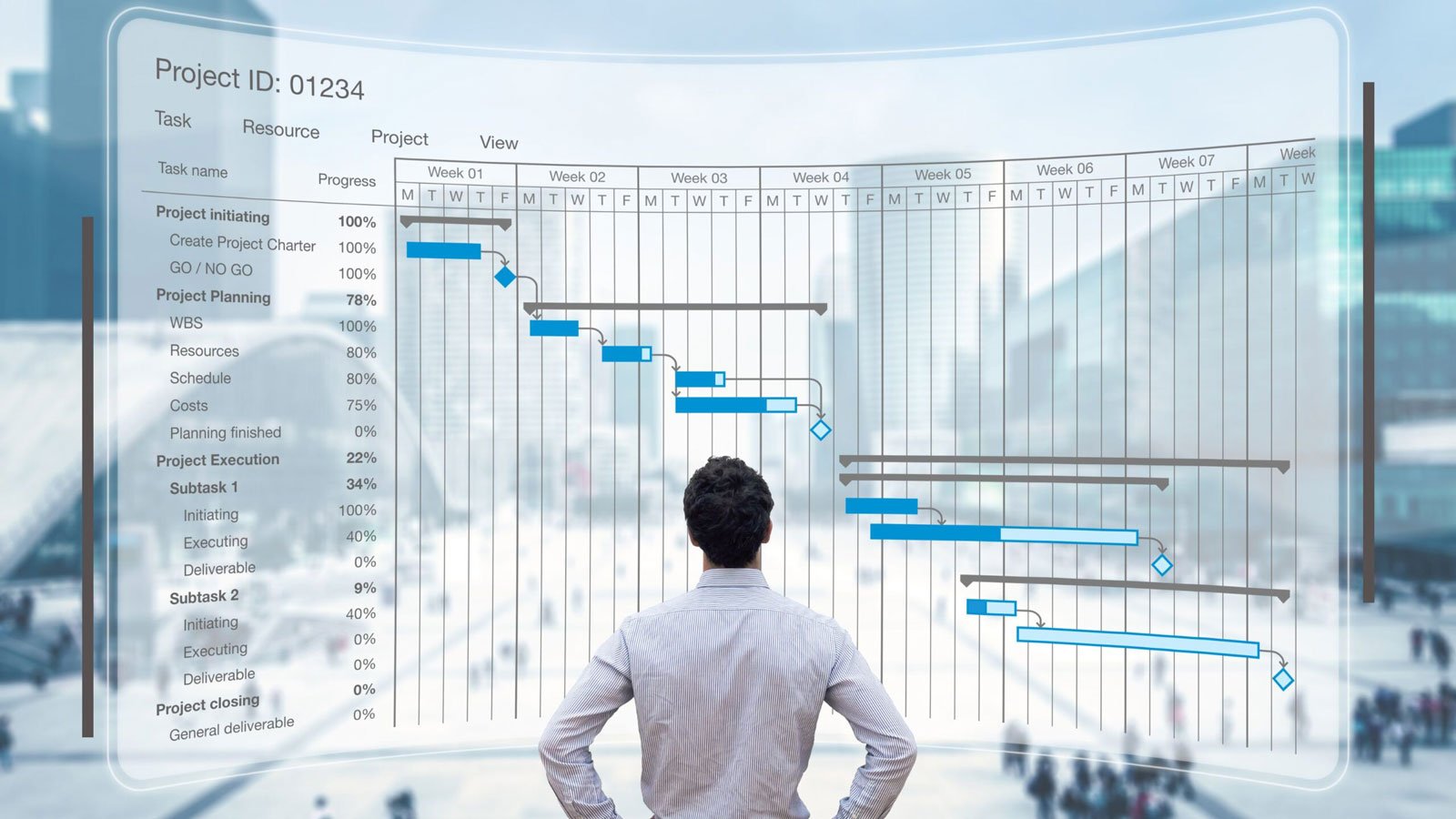
Primavera P6 Scheduling
Primavera P6 scheduling is the development and control of a project programme in Oracle Primavera P6, the industry-standard platform for major construction and mining programmes. A good P6 programme is more than a bar chart: it carries the logic, resources and calendars that make it a working management tool. Project Scheduling builds and reviews Primavera P6 programmes for construction and mining projects across Australia.
When You Need It
You need P6 scheduling when a project is large or contractually demanding enough that a spreadsheet or a light planning tool will not hold it. When a client mandates P6, when the programme has to be resource-loaded, or when it needs to withstand independent review, P6 is the tool and the programme has to be built properly in it.
What It Covers
Work breakdown structure and activity build from first principles
Full activity logic and a defensible critical path
Resource and cost loading where required, tied to the estimate
Calendars and constraints that reflect how the work is actually run
Baseline development and progress updating
Independent review of an existing P6 programme, with a clear report on what needs fixing
Built to Survive Review
A P6 programme often has to stand up to a client, a certifier or a superintendent. The programme is built so the logic holds, the critical path is real, and the schedule quality metrics are addressed and explained, so it survives scrutiny and carries through to methodology statements and basis of schedule without rework.
Independent and Sector-Specific
Project Scheduling works across mining, heavy industrial, civil, infrastructure and commercial construction programmes. The work is independent and delivered directly. The programme is developed around how the job will actually be executed, not how it reads on paper.
Whether you need a programme built or an existing one reviewed, get a P6 schedule that holds up. Let us develop your programme together.
Read more on construction project scheduling in Primavera P6.
Common Questions
Do I need Primavera P6, or will a lighter tool do?
It depends on the project and the contract. On smaller, self-contained jobs a lighter planning tool is often enough. P6 earns its place when the programme is large, multi-discipline, resource-loaded, or contractually mandated, and when it has to withstand independent review. If a client or head contractor specifies P6, the programme has to be built properly in it, not exported from something lighter to look the part.
What makes a good P6 programme, beyond the bar chart?
The logic underneath it. A sound P6 programme has complete activity logic, a critical path that reflects how the work actually runs, resources and calendars that match reality, and few open ends or artificial constraints. A bar chart shows dates; a real programme shows why those dates hold and what happens to them when something moves. That difference is what lets it be used to manage the job and to defend it later.
Can you review and fix an existing P6 programme?
Yes. An independent review checks the programme against DCMA schedule quality metrics and sound scheduling practice, then reports plainly on what needs fixing: broken or missing logic, constraint abuse, negative float, an unrealistic critical path, or resourcing that does not tie to the estimate. You get a clear picture of whether the programme can be trusted and what it takes to bring it up to standard.
What are the DCMA 14-point checks?
The DCMA 14-point assessment is a set of schedule quality metrics used to identify structural weaknesses in a programme. It reviews areas including incomplete logic, leads and lags, relationship types, hard constraints, high float, negative float, long durations, invalid dates, resources, missed tasks, the critical path test, and measures of critical path and baseline performance. It is a health check, not a guarantee. A programme can meet every metric and still be a poor plan if its scope, sequence, access assumptions, production rates or execution methodology do not reflect reality. The checks are a floor, alongside professional judgement about whether the work can actually be built as scheduled.
Get a P6 Programme You Can Rely On
Whether you are building a new programme or need an existing one reviewed against the standard, the logic has to hold before anyone relies on the dates. Let us make sure yours does.