

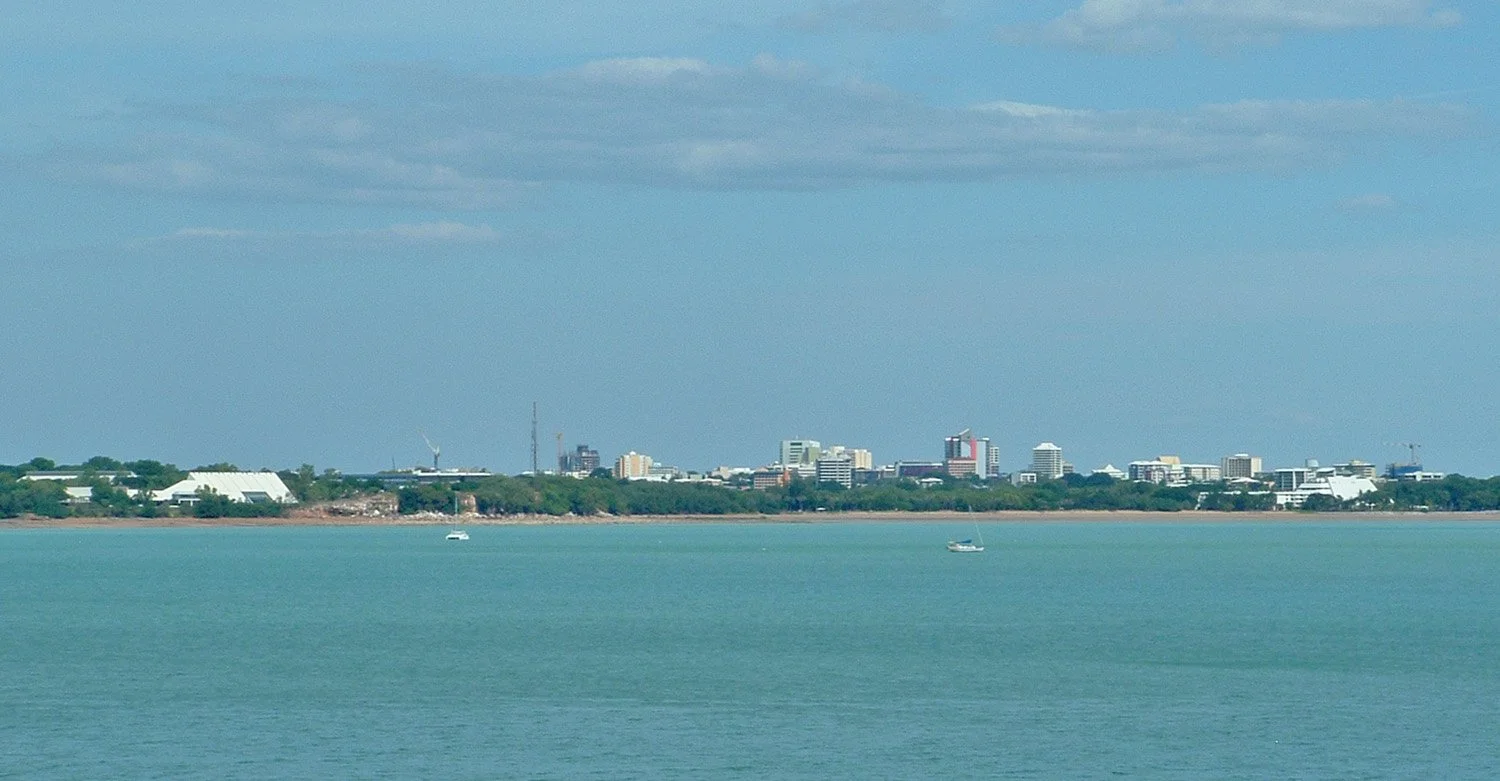
Construction Scheduling in Darwin
Construction scheduling in Darwin and the Northern Territory means planning around site-specific seasonal conditions, freight lead times and workforce availability. Our Primavera P6 programs cover mining, energy and infrastructure projects from tender and baseline through to completion, and the delivery team checks and agrees the method, sequence and resourcing before issue, with procurement, approvals and access linked into the logic.
Darwin scheduling services, tender to completion
Tender programs in Darwin set out the sequence the bid depends on. When the contract is awarded, that sequence and its assumptions are checked against the final scope, seasonal windows and freight lead times, each adjustment is recorded, and the agreed program is updated through to completion.
Tender programs: a P6 bid sequence with Indirects, freight and procurement lead times and crew demand, accompanied by the Basis of Schedule and Methodology.
Shutdown and turnaround planning: outage programs at hourly resolution for operating energy, gas and processing plant, including commissioning and restart activities where required.
Program updates: site progress verified and entered at each update, with variance assessed against the baseline, the remaining work reforecast and every issued version retained.
Schedule risk analysis: wet season, access and supply uncertainty tested against the completion date, with contingency set at the confidence level the project needs.
Beyond these, we prepare baseline programs under change control, schedule recovery programs from current progress, and forensic delay analysis for extension of time and delay claims.
Relevant sector experience
Our Australian sector experience includes:
Mining and minerals processing: plant builds, upgrades and shutdowns at operating sites
Oil, gas and energy: outage and commissioning work on operating plant
Transport and civil infrastructure: roads, bridges, and port and marine works, staged around live operations
We apply that experience to supporting Darwin and Northern Territory project teams, remotely and with site attendance agreed to suit the engagement.
Construction planning for Darwin and the Top End
Wet season exposure assessed for the site. Officially, the cyclone season is 1 November to 30 April, though cyclones can form before or after it. For Darwin and Top End projects, we assess wet season exposure against the site, access routes and construction method. Where practicable, we position weather-sensitive work in suitable seasonal windows and allow for reduced productivity or access restrictions where work continues through the wet. Drainage and wet-weather preparation, cyclone securing, potential suspension, inspection and restart are represented where relevant to the project.
Freight and travelling workforces linked to the work. Where projects depend on long-distance freight or travelling workforces, we link supplier readiness, transport and delivery to the activities they support. Agreed fly-in fly-out or drive-in drive-out rotations are reflected in working calendars, with mobilisation and accommodation constraints identified separately.
Territory holidays and show days on the right calendars. The Northern Territory has its own public holidays, including May Day and Picnic Day, part-day holidays from 7pm to midnight on Christmas Eve and New Year’s Eve, and regional show days set by the NT Government. Project calendars use the holidays for the years the program covers, checked against the actual site, supplier and approval organisations.
Northern Territory pipeline and capacity
As at the 2026-27 Federal Budget, the Australian Government’s Infrastructure Investment Program included a $2.8 billion commitment to the Northern Territory over the following 10 years, including $2.4 billion for major road and rail projects.
RLB’s September 2026 report describes limited competition among Tier 1 head contractors and subcontractors in Darwin, alongside more competitive Tier 2 and Tier 3 markets. It forecasts tender price escalation of 5.9% in 2026, down from its June forecast of 6.9%, then 5.1% in 2027, 4.6% in 2028 and 4.0% in 2029, with skilled labour and contractor capacity remaining important constraints as major projects ramp up from late 2026. Across Australia, Infrastructure Australia’s November 2025 report put the October 2025 public infrastructure workforce gap at 141,000, heading for more than 300,000 by mid-2027.
The program identifies when key freight arrangements, workforce bookings, subcontracts and supply commitments need to be confirmed, with responsibilities and unresolved assumptions recorded.
Northern Territory approvals in the program
The NT environmental assessment pathway that applies is confirmed with the project’s environmental advisers, and the program then carries the applicable referral preparation, public consultation, assessment, further information responses and approval decision. We distinguish statutory decision periods from the time needed to prepare studies and submissions, account for applicable extensions or pauses, and link approval milestones and conditions to the work they release. Any further Territory, land access or Commonwealth approvals are identified with the project’s advisers and programmed the same way. Our scheduling project approvals article covers the method in full.
Frequently asked questions
What does the Top End wet season mean for the program?
We assess wet season exposure against the site, access routes and construction method, and position weather-sensitive work in suitable seasonal windows where practicable. Preparation, cyclone securing, suspension and restart are represented where relevant to the project.
How are NT environmental approvals programmed?
With the project’s environmental advisers, we identify the applicable assessment pathway and program referral, consultation, assessment, information responses and the approval decision, distinguishing statutory periods from preparation time.
How are long-distance freight and travelling crews built into the program?
Supplier readiness, transport and delivery are linked to the activities they support, and agreed fly-in fly-out or drive-in drive-out rotations are set up as working calendars. Mobilisation and accommodation limits are shown separately, so the program reflects when crews and materials can actually be on site.
How do Darwin’s contractor-market conditions affect the program?
RLB’s September 2026 report describes limited competition among Tier 1 contractors and subcontractors in Darwin, alongside more competitive Tier 2 and Tier 3 markets. We make package assumptions, procurement lead times and workforce requirements explicit, so the delivery team can test proposed dates against contractor and supplier availability.
Delivering in the Territory?
Get a construction program that shows the sequence, seasonal windows, freight and access requirements, procurement dates and approval dependencies in one place.